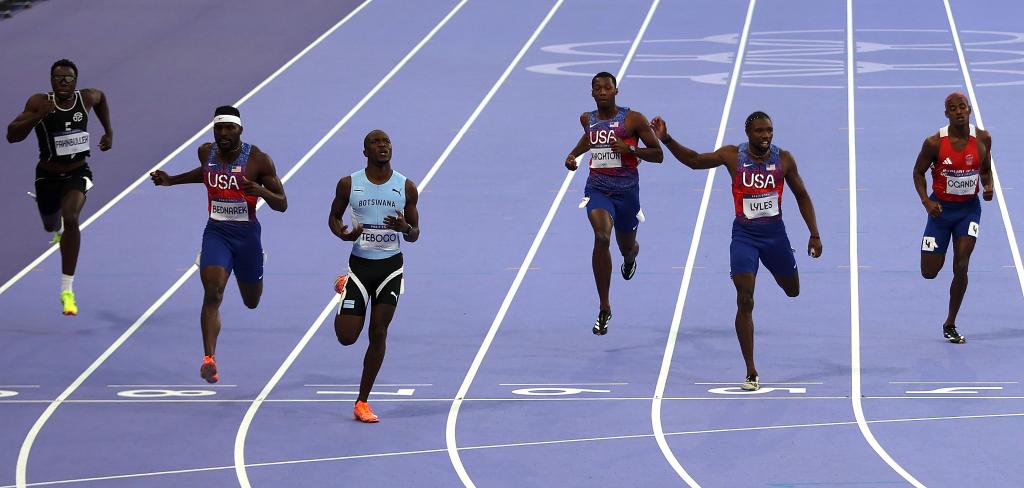
Long-distance Running
Introduction
Long-distance running stands as an athletic discipline that pushes athletes to the limits of human endurance and physical capacity. This sport demands a blend of cardiovascular fitness, mental fortitude, and strategic pacing, captivating audiences with its showcase of determination and perseverance from ancient marathons to contemporary track and field events.
History of Long-Distance Running
Long-distance running finds its origins in the legendary run of Pheidippides, an Athenian messenger who raced from the Battle of Marathon to Athens to announce victory. The modern marathon was standardized in the 1896 Olympic Games and set at 42.195 kilometers (26.2 miles) in 1908 Olympic Games. Today, long-distance running encompasses various events, spanning from 3,000 meters to the marathon and beyond, including ultra-marathons.
Types of Long-Distance Running Events
Track Events
Long-distance track events, such as the 1,500 meters, 3,000 meters, 5,000 meters, and 10,000 meters, blend speed and endurance, demanding athletes to strike a balance between pace and stamina.
Road Races
Road races, including half marathons (21.1 kilometers) and full marathons, unfold on urban streets and rural roads, enticing both professional athletes and amateur runners with their accessible and scenic courses, fostering a sense of community.
Cross-Country
Cross-country running, set on natural terrain encompassing hills, mud, and grass, challenges runners over distances from 4 to 12 kilometers, testing their adaptability and navigational skills.
Ultra-Marathons
Ultra-marathons, exceeding the traditional marathon distance, extend for hours or days, covering distances of 50 kilometers, 100 kilometers, or more, serving as a grueling test of mental and physical endurance.
Equipment and Techniques
Running Shoes
Choosing the right footwear is vital for long-distance runners, with running shoes offering essential cushioning, support, and traction tailored to the race surface.
Hydration and Nutrition
Maintaining hydration and nutrition is critical for long-distance runners, necessitating intake of carbohydrates, electrolytes, and fluids before, during, and after races to sustain energy levels and stave off dehydration.
Training and Pacing
Long-distance runners adhere to structured training regimes, incorporating easy runs, interval training, and long runs to fortify endurance. Race-day pacing strategies are pivotal, with many opting for a conservative start to preserve energy for the race's latter stages.
Competitive Long-Distance Running
International Competitions
Major international competitions, including the Olympics, World Championships, and diverse road race series, showcase long-distance running events, drawing elite athletes worldwide to compete on a global stage.
Race Strategy
Athletes craft race strategies that balance pacing, considering weather, course conditions, and competition intensity. The ability to read the race and adapt strategy on the fly distinguishes seasoned long-distance runners.
Health Benefits and Safety
Long-distance running yields a plethora of health benefits, enhancing cardiovascular health, weight management, mental well-being, discipline, and goal-setting skills. Safety measures encompass proper training, injury prevention, and attentive listening to one's body to avert overexertion. Photo Gallery(1 picture)CategoriesSports and GamesTagModern SportsCatalogue1. Introduction2. History of Long-Distance Running3. Types of Long-Distance Running Events4. Equipment and Techniques5. Competitive Long-Distance Running6. Health Benefits and Safety- - - []








